
It has been far too long since we've posted a meaningful update here. Rescue work has a way of consuming every available hour, and keeping this website current often falls to the bottom of an already busy list. However, the recent Ritterspach/R&R Ranch chinchilla seizure has generated a number of questions from supporters, customers, and fellow chinchilla owners, and I felt it was important to address them directly. Like many of you, I have been following the heartbreaking situation involving the Ritterspach/R&R Ranch chinchilla seizure. Over the past several weeks, I've been asked why our rescue did not take in any of the animals from this case. It's a fair question, and one I would like to answer honestly.
The easiest answer would have been to say yes.
The harder answer, and the one we ultimately chose, was no.
When news of the seizure first broke, my heart broke for those animals. No one who loves chinchillas can look at a situation like that without wanting to help. Every one of those animals deserves safety, proper care, and a chance at a better life.
But rescue decisions cannot be made with our hearts alone. Faced with a large number of animals coming from an unknown and extremely compromised environment, we had to think beyond the immediate desire to help and consider the potential consequences.
Our responsibility is first and foremost to the chinchillas already entrusted to our care. Introducing animals from such a situation into an established rescue population carries risks that can affect not only current rescue animals, but also adopters, and the broader chinchilla community.
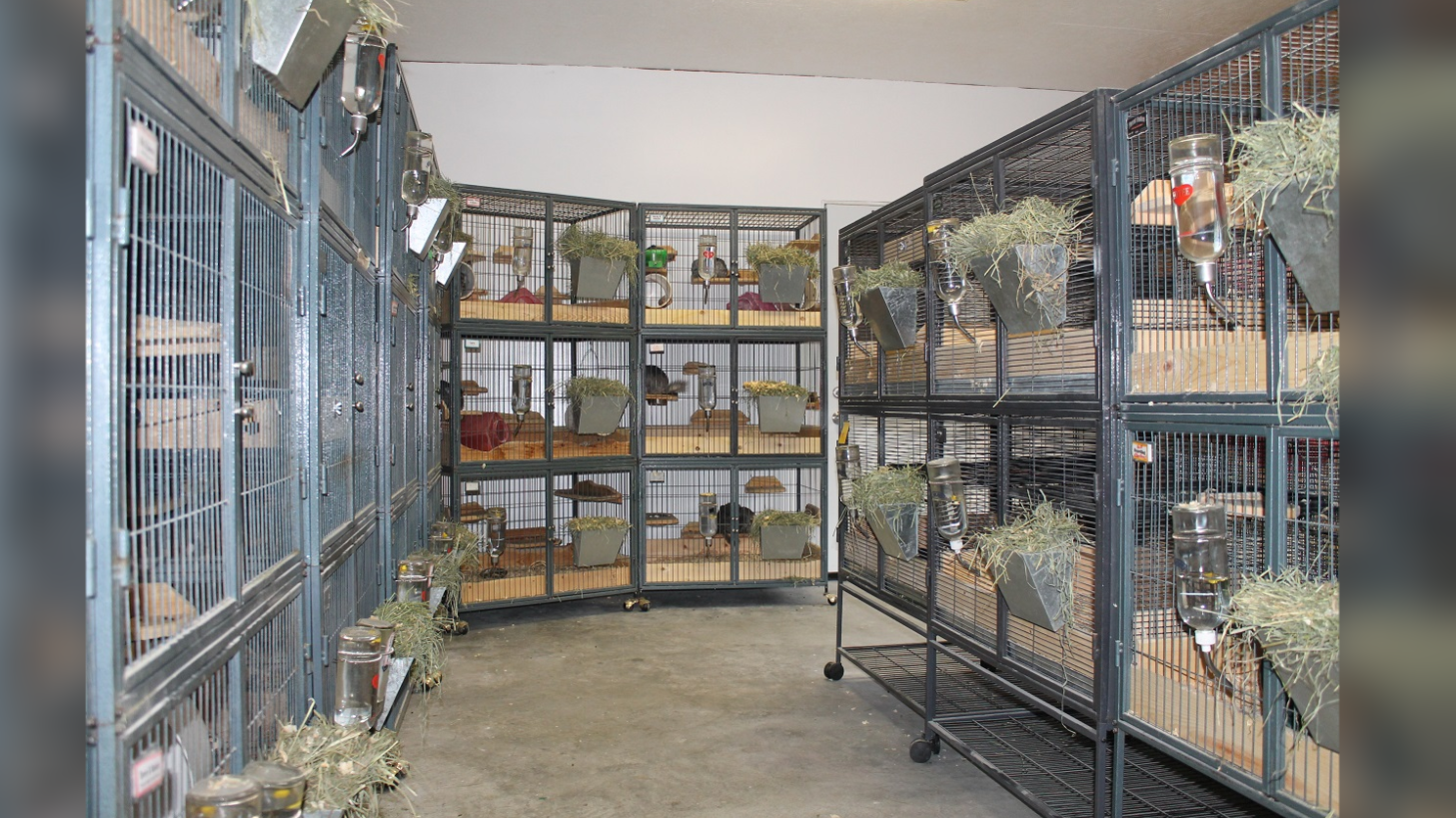
Biosecurity is not glamorous, and it rarely receives much attention until something goes wrong. For us, however, it is a cornerstone of responsible rescue work. We chose not to bring any of the Ritterspach animals onto our property because we were unwilling to risk exposing our rescue population, supplies, inventory, equipment, or work areas to potential disease. Protecting the chinchillas already in our care was our first concern, but protecting our customers was equally important. We never wanted to put ourselves in a position where there could be any question about the safety of the products leaving our facility or the health of the animals already depending on us. When faced with that choice, the responsible decision was clear. The health and safety of the animals, our customers, and the trust you place in us every day had to come first.
Another reality that many people may not see is that our rescue is privately funded and operated by just two people. We do not receive government funding. The veterinary care, housing, supplies, and daily operations required to keep this rescue running are made possible through donations and through purchases from our webstore.
Every rescue has limits, and responsible rescue means recognizing those limits before they become a crisis. Taking on a large number of medically complex animals is not simply a matter of finding cage space. It requires time, staffing, money, quarantine capability, ongoing veterinary support, and the ability to provide each animal with the care it deserves. We had to ask ourselves a difficult question: Could we do this without compromising the health of the animals already here and without stretching our resources beyond what we could responsibly manage? For us, the answer was no. That answer was painful, but it was also the responsible one.
I have tremendous compassion for the animals affected by this case and sincere gratitude for the individuals working to help them. At the same time, I remain confident that protecting the chinchillas already in our care was the right decision for our rescue.

Thank you to everyone who has reached out, supported our work, trusted our products, and stood beside us through difficult decisions like this one. Your support allows us to continue putting animal welfare, safety, and responsible rescue practices first, even when those decisions are not the easiest ones to make.